Some majors look safe until graduation day. The worst college majors for jobs aren't the ones people joke about. Two of the top four are computer majors. Here's the real data on recent graduates, what's behind each number, and which majors are doing fine.
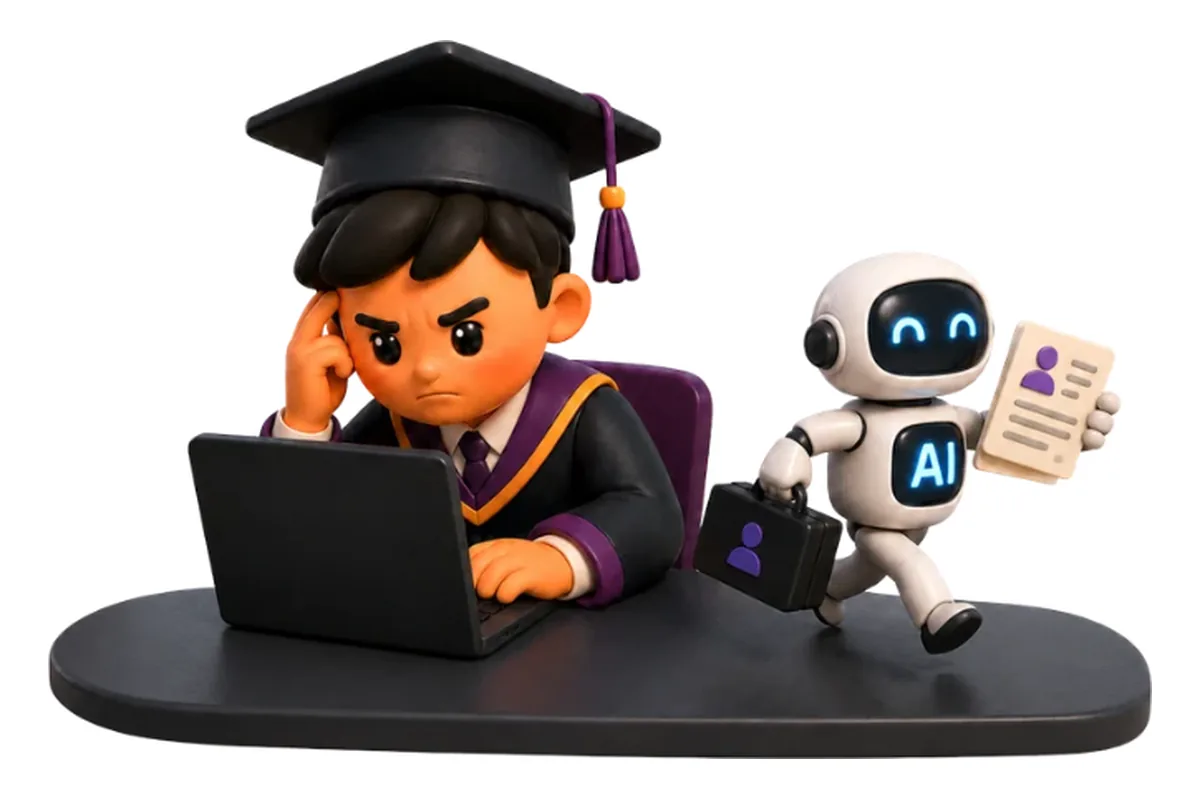
The worst college majors for jobs, ranked
| # | Major | Unemployment | Underemployment |
|---|---|---|---|
| 1 | Anthropology | 7.9% | 55.3% |
| 2 | Computer Engineering | 7.8% | 15.8% |
| 3 | Fine Arts | 7.7% | 58.9% |
| 4 | Computer Science | 7.0% | 19.1% |
| 5 | Performing Arts | 7.0% | 63.9% |
| 6 | Architecture | 6.8% | n/a |
| 7 | Art History | 6.7% | n/a |
| 8 | Physics | 6.6% | 29.1% |
| All recent grads | 4.2% | 39.4% |
Anthropology
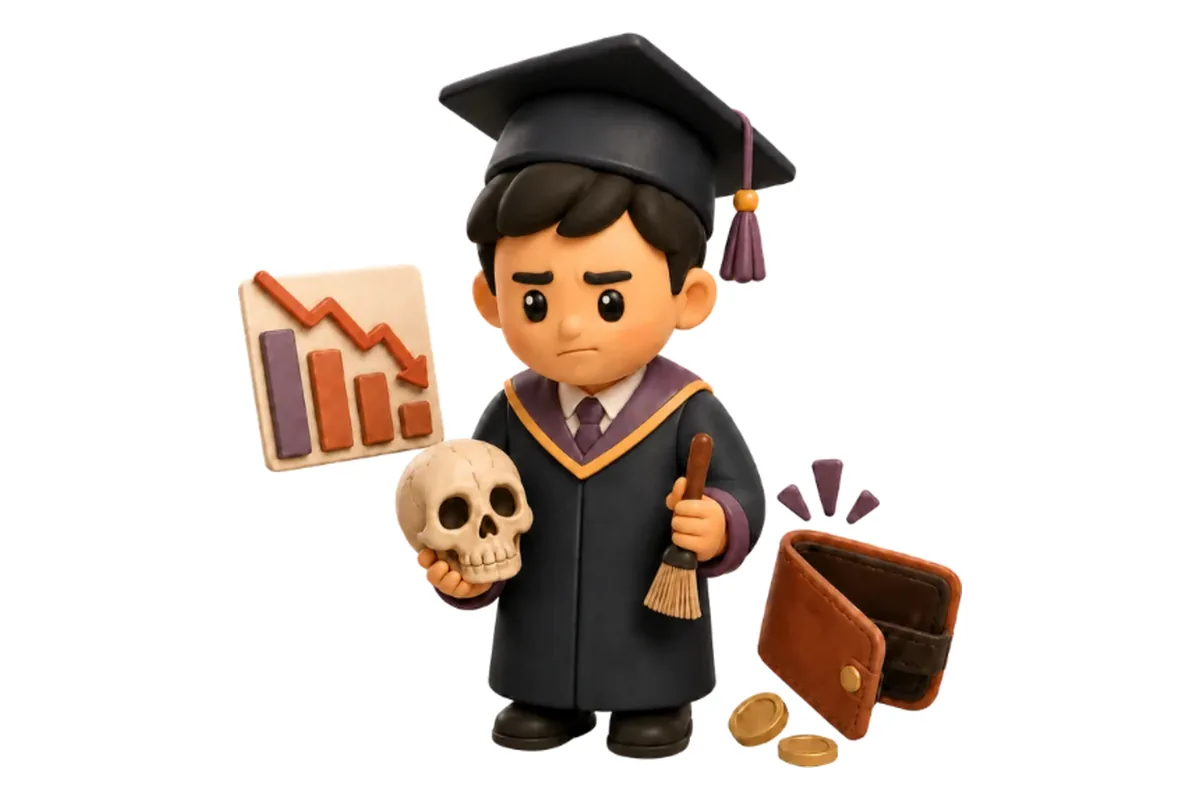
The top of the list two years running. Very few jobs ask for this degree by name, and the real field jobs usually want a master's or a PhD. Over half of recent grads work jobs that don't need a degree at all.
Computer science and computer engineering
The "safe" majors aren't safe right now. Both got flooded with graduates at the same moment entry-level coding jobs dried up, and AI tools are doing a lot of the junior work those grads used to start on. The pay is still high for people who land a job, and underemployment is low. Getting that first job is the hard part. We broke down which majors AI is actually replacing and the safer specialties inside them.
Fine arts

Unemployment isn't the scariest number here. Underemployment is. Nearly 59 percent of recent grads work jobs that don't need their degree, and most end up freelancing or working outside the field.
Physics
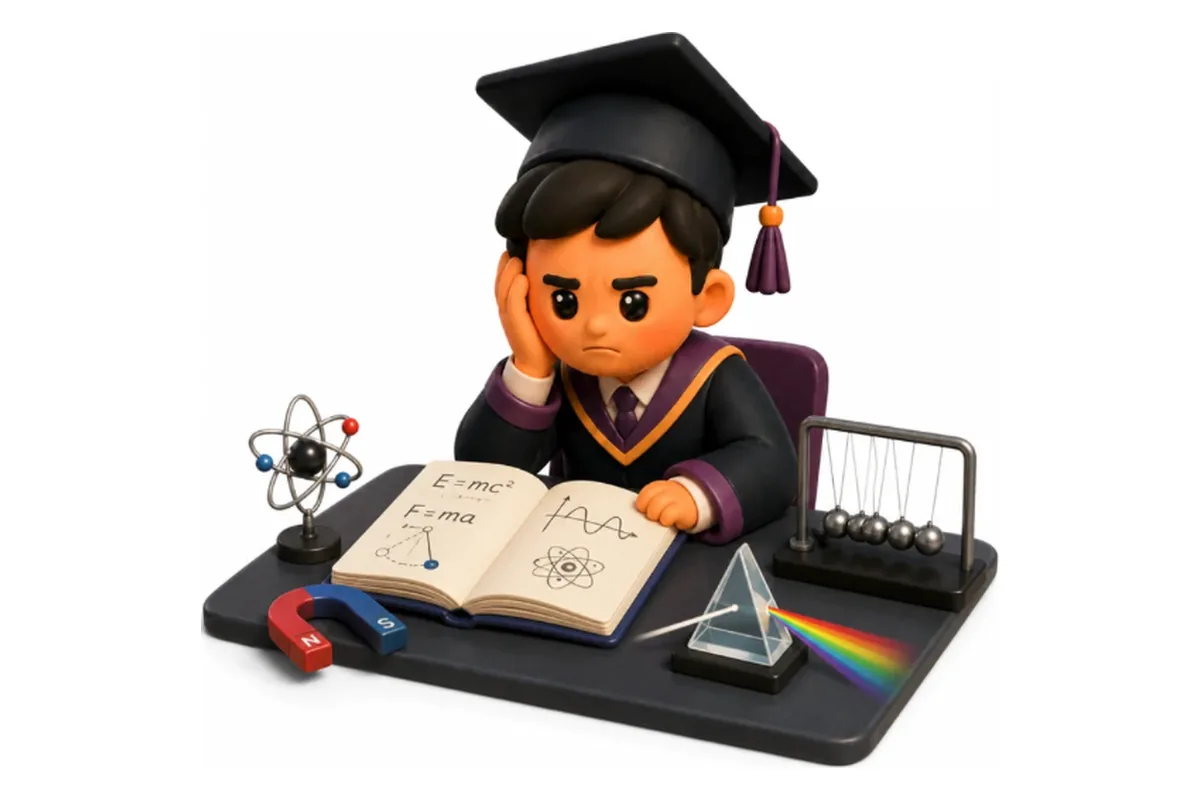
Physics grads are smart and employable, but few companies hire for "physics." Most jobs want the grad to add engineering, data, or a graduate degree on top, so the first job takes longer.
The majors with the lowest unemployment
At the other end: special education (0.7%), elementary education (1.2%), agriculture (1.4%), and foreign languages (1.6%). Education majors top it because schools hire them straight out of college. The trade-off is pay, which you can see next to our list of the highest paying college majors.
“A major on this list isn't a dead end. It's a sign to pair it with the skill or internship that gets you hired.”
What to do with this
Don't pick or drop a major off one table. These are averages, and the students who get hired out of the worst majors usually have internships, a specialty, or a second skill. If you're still choosing, here's how to figure out which major is right for you.
And if you're at community college and switching majors because of this, do it early. Every major wants different prep classes, and a website like Transfermatic shows you the exact classes for your new major at your target school, so a late switch doesn't cost you an extra year.
Switching majors? Get the classes for the new one.
Put in your community college and your transfer university. That's it.
Get My Transfer PlanBottom line
The worst college majors for jobs right now are anthropology, computer engineering, fine arts, and computer science, with performing arts close behind. The first job is harder in these fields, not impossible. Pick the major you can stay with, then stack the internship or skill that makes you the obvious hire.
Related: see the classes your major needs at your college · the majors AI is replacing · the highest paying college majors · the most overlooked college majors