Careers

    Highest Paying College Majors (2025 Data + Where to Study)

    Tyler Maher
    By Tyler Maher · Founder & CEO
    3 min read · Published
    Logos of universities known for high-paying majors: Georgia Tech, Stanford, Virginia Tech, Drexel, Michigan, Penn State, Cal, Texas, and UCLA

    Everyone asks what the highest paying college majors are; almost nobody checks the number next to the paycheck: how many new grads can't find work. Here are the five best-paying majors from 2025 graduate-outcome data, with both numbers — and one of them will surprise you.

    The highest paying college majors, side by side

    MajorEarly payMid-careerRecent-grad unemployment
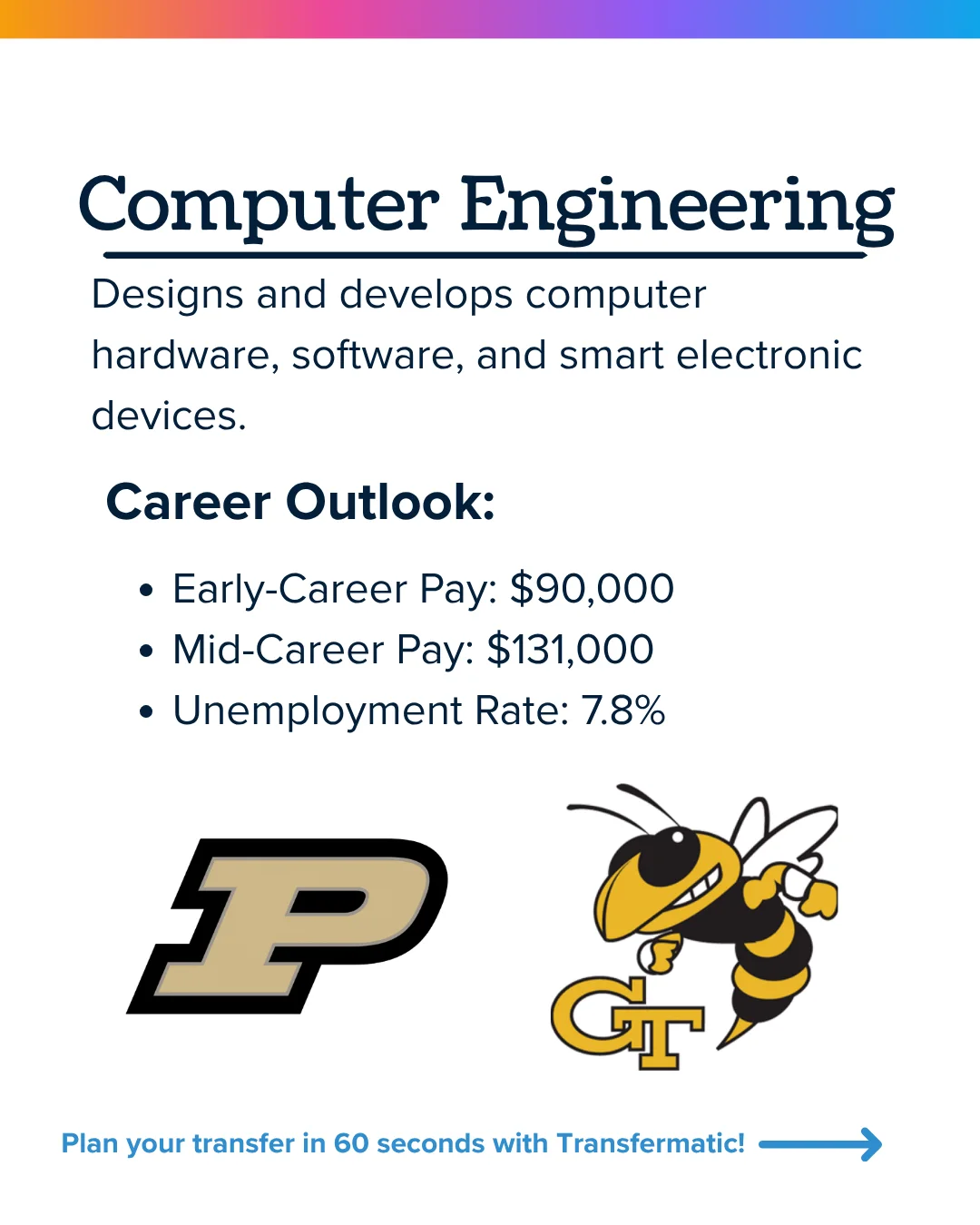
    Computer Engineering$90,000$131,0007.8%
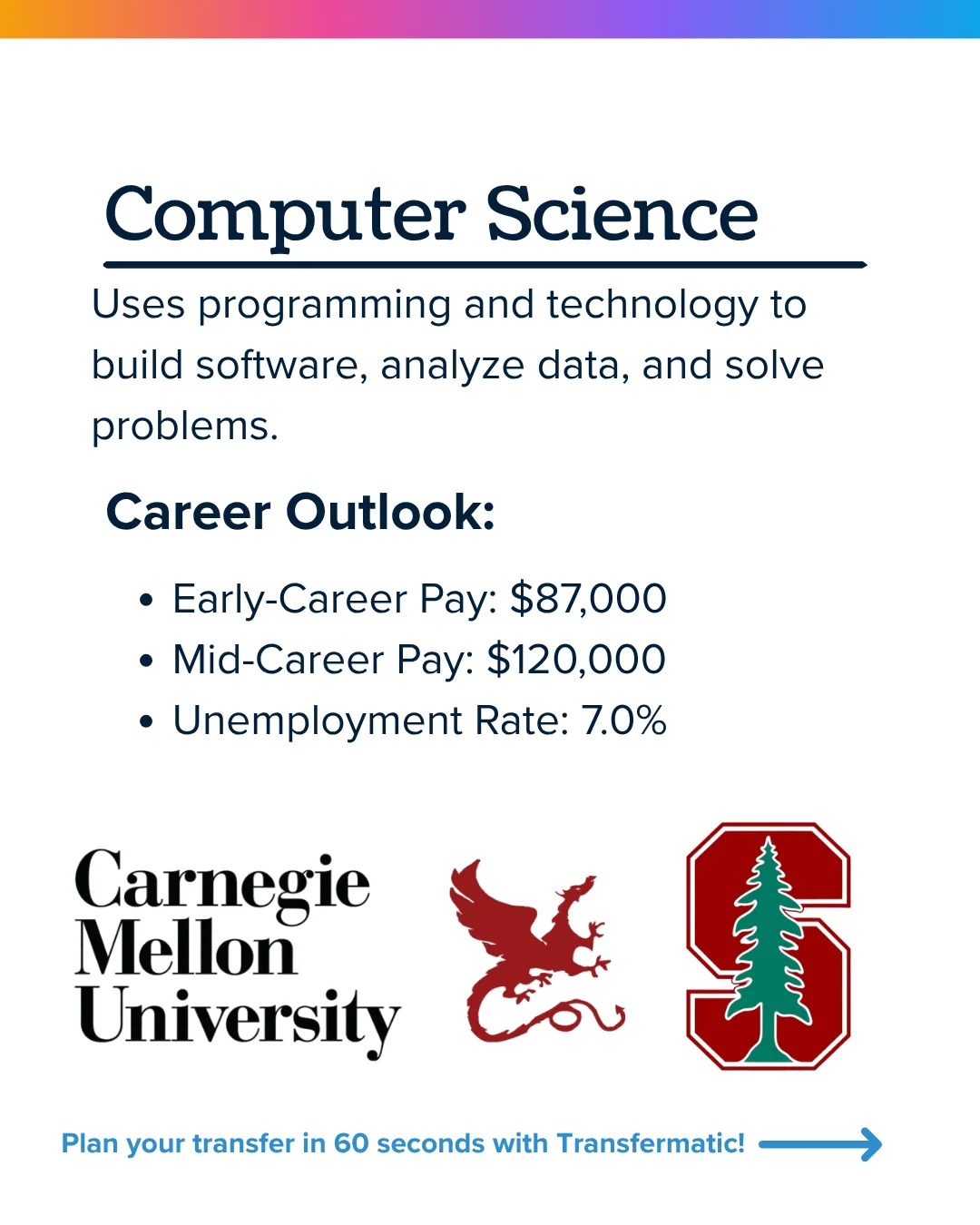
    Computer Science$87,000$120,0007.0%
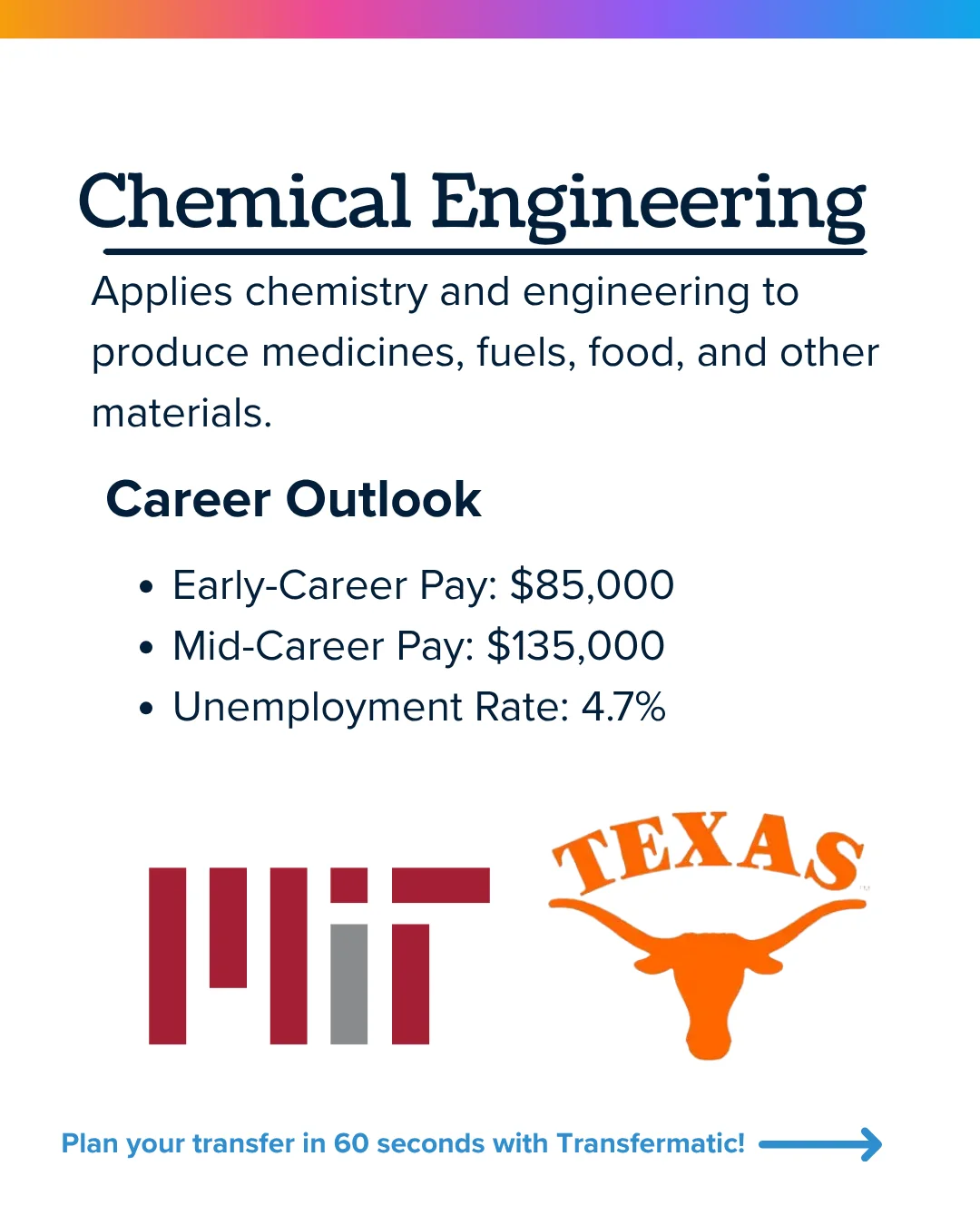
    Chemical Engineering$85,000$135,0004.7%
    Aerospace Engineering$85,000$130,0002.2%
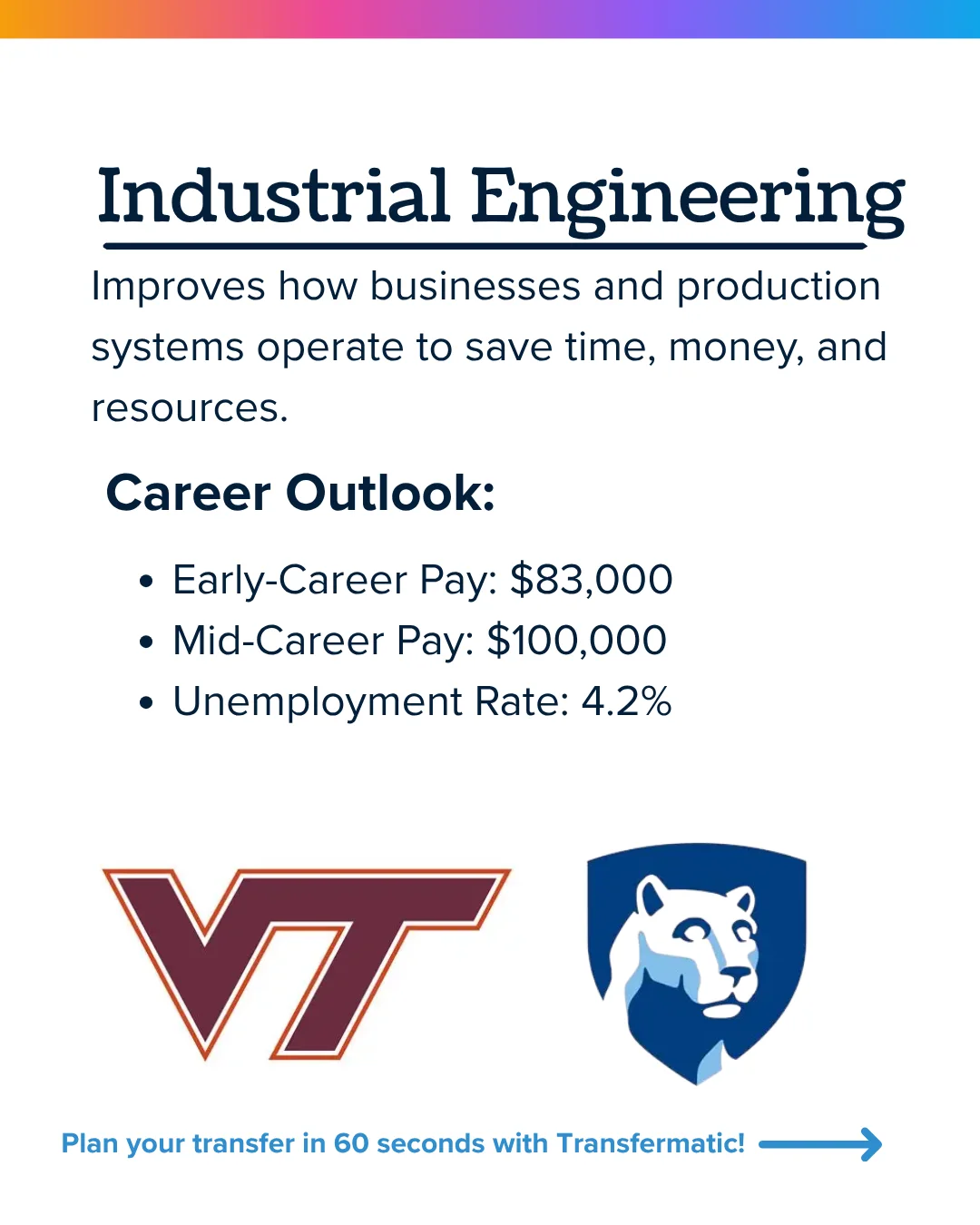
    Industrial Engineering$83,000$100,0004.2%
    2025 graduate labor-market data, rounded. Pay is national; unemployment is the recent-graduate rate for the major.
    7.8%
    Recent-grad unemployment for computer engineering — the best-paid major is also the hardest first job to land right now

    The five, and where they're studied
    Computer engineering: $90,000 early-career pay, $131,000 mid-career, 7.8% unemployment. Known programs: Purdue and Georgia Tech
    Computer science: $87,000 early-career pay, $120,000 mid-career, 7.0% unemployment. Known programs: Carnegie Mellon, Drexel, Stanford
    Chemical engineering: $85,000 early-career pay, $135,000 mid-career, 4.7% unemployment. Known programs: MIT and UT Austin
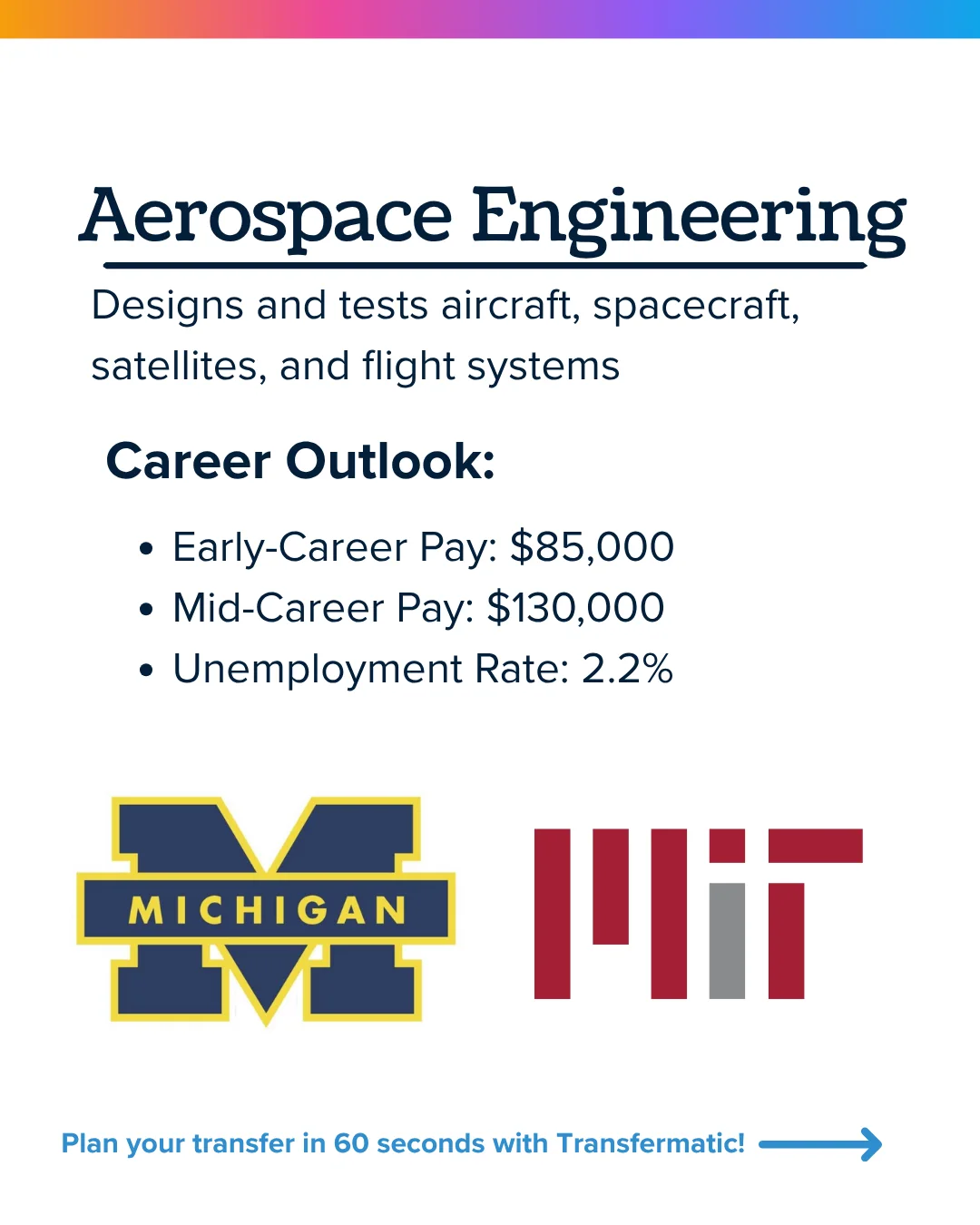
    Aerospace engineering: $85,000 early-career pay, $130,000 mid-career, 2.2% unemployment. Known programs: Michigan and MIT
    Industrial engineering: $83,000 early-career pay, $100,000 mid-career, 4.2% unemployment. Known programs: Virginia Tech and Penn State

    Read the second number

    The table's real lesson: pay and hireability are different bets. Computer majors still earn the most early, but their recent-grad unemployment is triple aerospace's. Chemical and industrial engineering split the difference. And if you're doing the math on cost, here's the part that changes it most: every one of these degrees can start with two years at a community college. If that's your route, on our platform you put in your community college and your university, and you get the exact prep classes your engineering major demands — because these majors are precisely the ones where one missing prerequisite costs a year.

    Chasing one of these majors?

    Put in your community college and your target university. That's it.

    Get My Transfer Plan

    Bottom line

    The highest paying college majors are still engineering and computing, but the smart pick weighs the unemployment column as heavily as the salary one. Whichever you choose, check what the degree pays back over 20 years, then line up the exact classes it requires. For the majors nobody crowds into, see the most overlooked college majors.

    Related: see the classes your major needs at your college · the most overlooked college majors · universities with the best ROI · the top 20 private universities ranked


    Frequently asked questions

    What is the highest paying college major?

    By early-career pay, computer engineering at about $90,000, with chemical and aerospace engineering close behind at $85,000. By mid-career, chemical engineering edges ahead at about $135,000.

    Is computer science oversaturated?

    The pay is still excellent, but recent-grad unemployment sits around 7%, among the highest of any major. The degree still wins long term; the first job just takes longer than it used to.

    Which high-paying major has the best job security?

    Aerospace engineering, with recent-grad unemployment around 2%, a fraction of what computer majors are seeing, and $130,000 mid-career pay.

    Do I need to start at one of these universities as a freshman?

    No. Every school listed takes transfer students, and two years at a community college first means the same engineering degree with half the tuition. The prep classes just have to be exactly right.

    Tyler Maher

    Written by

    Tyler Maher

    Founder & CEO

    Tyler is the founder and CEO of Transfermatic. He started the company to make California's transfer system easier to navigate, and writes here because the rules around ASSIST, Cal-GETC, and UC and CSU admissions are genuinely confusing and badly explained almost everywhere else.

    Keep reading

    Build your transfer plan

    Personalized, semester-by-semester, verified from ASSIST data. Free to start.

    Get My Transfer Plan