Earning enough credits and earning the right credits are two different things. Here is what transfer students need to know about transferring from college to university before a single course costs them a semester.
The common assumption among students planning to transfer is that credits are credits, if they complete the required number of units, those credits will count toward their degree wherever they go. That mental model feels logical, and for students who start and finish at the same school, it mostly holds. For transfer students, though, it quietly falls apart in ways that cost real money and real time.
A college credit is not just a grade. It is a unit that confirms you completed a specific, measurable amount of academic work. One credit hour represents one hour of direct instruction plus two hours of outside work per week across a standard semester.

A 3-credit English class that meets three hours a week for a semester, for example, is expected to represent roughly nine hours of total academic effort each week. The credit is the receipt that says: this work happened, it was verified, and it counts. The credit system was built to standardize something that is genuinely hard to standardize: learning.
Before it existed, there was no reliable way to compare coursework across different schools or measure progress toward a degree. The system is imperfect, but it is the only shared language colleges use to measure whether a student is ready to graduate. Think of credits like currency in a very specific store.
You need a certain amount, but you also need the right denominations. Research from the Community College Research Center shows that bachelor's degree graduates often earn significantly more total credits than their degree actually required. General education credits, major-specific credits, and elective credits each fill a different bucket, and only the right credits fill the right buckets.
This is where the scoreboard gets dangerous for transfer students. Credits earned at a community college do not automatically count toward a degree at a four-year institution. In fact, even along the traditional vertical transfer route from public two-year to four-year colleges, a 2019 study published in PMC found that students lost 22% of their credits upon transfer. Students can lose a significant number of credits at transfer, and some lose far more depending on the selectivity of their target school, the specific major they declare, and how closely their community college coursework aligns with that program's articulation agreements.
22% of credits lost at transfer on average
Key takeaways
- A credit accepted by a university and a credit that counts toward your degree are two different things, and most transfer students don't find out until after they've already taken the class.
- Credit hours aren't universal: semester units, quarter units, AP scores, and dual enrollment credits all convert differently, and the conversion rules vary by school and by major.
- Earning an A in a community college course and watching it land as a free elective at your target university is one of the most expensive surprises in higher education.
- A university can accept every credit on your transcript and still leave you a full semester short of your degree, because acceptance and degree applicability are not the same calculation.
- CLEP exams, AP credits, and dual enrollment courses are only shortcuts if they satisfy a specific requirement at your specific target school. Otherwise they're detours.
- The students who transfer fastest aren't the ones who worked hardest, they're the ones who mapped which credits counted before they enrolled in a single class.
- Transfermatic builds personalized transfer roadmaps that show transfer students exactly which courses count toward their target school and major, before they register, not after.
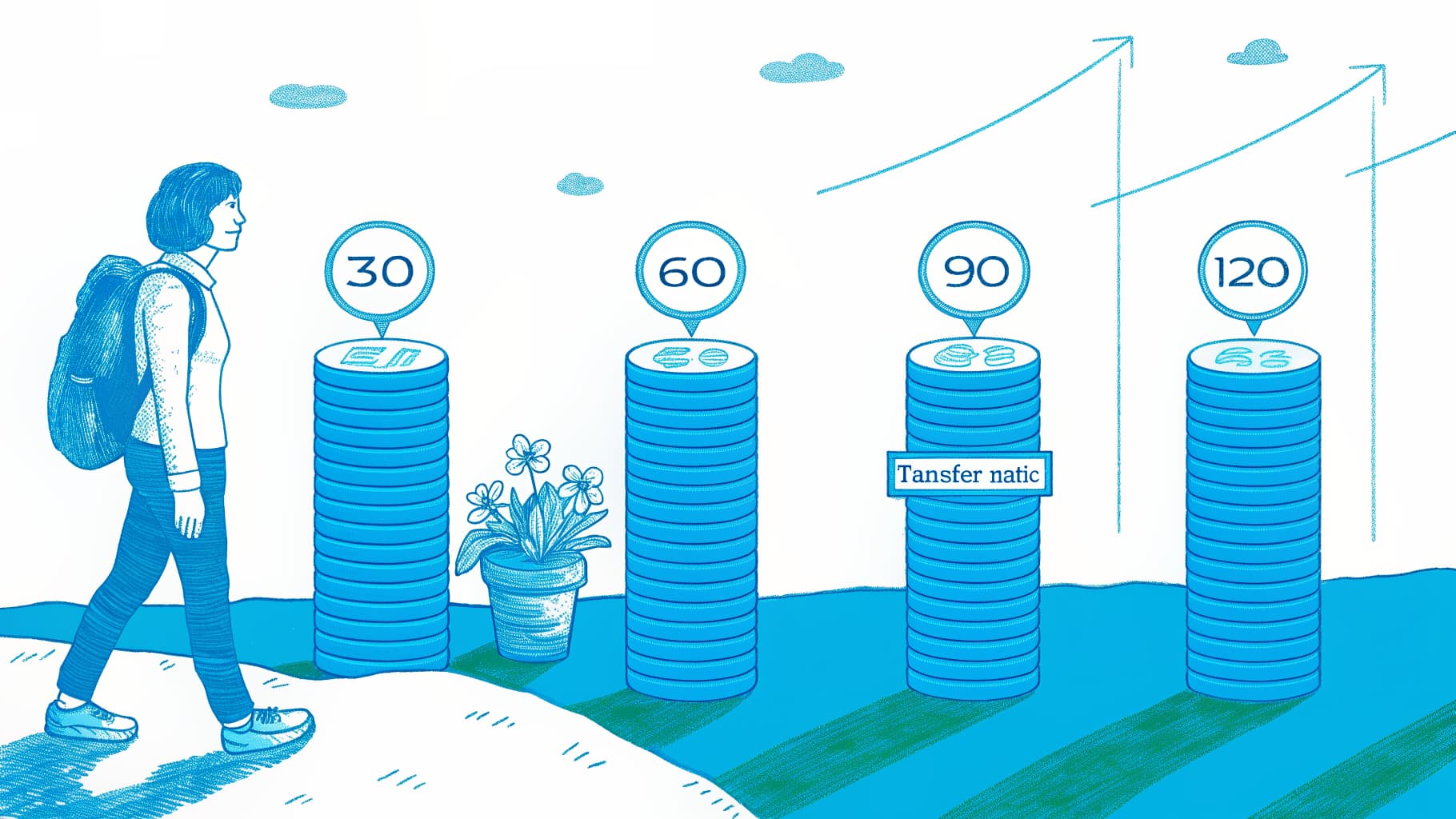
How Credit Hours Work: and What 30, 60, and 120 Credits Actually Mean
Those two students with 60 credits on their transcripts tell the story well: one is on pace to graduate, the other is not, and nothing on the surface explains why. The difference lives in how credit hours are defined, how academic calendars convert between systems, and which of those hours actually count toward degree milestones. If you have ever hit a number you were told mattered and then learned it did not move you forward, what follows is the map you were missing.
The Federal Definition of One Credit Hour
A credit hour is not a guess. The U.S. Department of Education defines one semester credit as "not less than one hour of direct instruction and a minimum of two hours of out-of-class work each week for about 15 weeks" (eCFR 34 CFR 600.2, Definitions, U.S. Department of Education).
For quarter systems, the same weekly formula runs about 10 to 12 weeks. It ties time, workload, and learning into a unit colleges and aid programs can measure. Importantly, that federal definition says nothing about which credits count toward your specific degree requirements at your specific target school, and that gap is where transfer plans quietly collapse.
The 3-Credit Default
Most lecture courses are 3 credits because they fit the one hour in class plus two hours outside rule across a standard term. Three credits per class also stacks cleanly. Five classes at 3 credits each equals 15 credits, which looks like one full semester of pace for graduation.
What the stack does not show is whether those 15 credits are doing any real work inside your program's general education, major, or elective buckets, or just filling a number that looks healthy on paper. One of the deepest struggles transfer students face is that even faculty are often unclear about how per-credit-hour pricing translates to actual progress, the economics of credit hours are opaque from the inside. If advisors and instructors do not always see the full picture, students navigating it alone are at a serious disadvantage.
Knowing exactly which classes actually count toward a specific school and major, not just which classes exist, is the expertise that separates students who arrive on time from students who arrive a semester late.
Lab Credits, Studio Credits, and PE Credits
The federal rule lets schools set equivalents for labs, studios, practicums, and PE, as eCFR 34 CFR 600.2 permits. That is why a biology class might be 4 credits, even when the lecture is 3. Studios and activity courses can be the opposite: you might spend many contact hours but earn 1 or 2 credits because the institution defines the equivalency differently.
The contact hours feel substantial. The credit contribution to your degree may not be. This is precisely the kind of mismatch that wastes tuition dollars and extends timelines, and precisely where articulation requirement matching, done course by course against your target school, closes the gap before you register.
Semester Credits vs. Quarter Credits
The standard articulation math is simple: 1 semester credit equals 1.5 quarter credits. Flip it around, and 1 quarter credit equals about 0.67 semester credits. So if you took a 4-quarter-unit class, it typically converts to about 2.67 semester credits. Institutional catalogs like Reinhardt University's definition of academic credit reflect how schools codify these equivalencies locally, and local definitions vary enough that two schools applying the same federal rule can produce different conversion outcomes for the same transcript.
Why 60 Quarter Credits Are Not the Same as 60 Semester Credits
Sixty quarter credits equal only 40 semester credits. Students who expect sophomore standing at a semester school are shocked to see only 40 on the books. That is not a penalty.
It is two different clocks measuring the same weekly workload across different term lengths, as 34 CFR 600.2 allows. The shock, however, is avoidable. When a student knows early, ideally in the first semester of community college, exactly how their quarter credits will land at a target semester school, they can sequence courses to compensate rather than discover the shortfall after registration closes.
The 120-Credit Finish Line
Most bachelor's programs require about 120 semester credits. Not every earned credit counts toward 120 in the way students expect: general education, major-specific, and elective buckets each draw from that total differently, and credits that land as free electives fill the number without advancing the requirements that actually gate graduation. The real question is never just "how many credits do I have?"
It is "which of those credits count, in which bucket, at which school, for which major?" Answering that question accurately, and answering it before spending money on the wrong class, is what a personalized, semester-by-semester transfer plan is designed to do. Transfermatic's articulation requirement matching is most useful exactly here: when a student is deciding between multiple target universities or majors and needs to compare course equivalencies quickly, so the 120-credit finish line becomes a route they can actually navigate rather than a number they are aiming at in the dark.
120 semester credits needed for a bachelor's degree
How Many Credits to Graduate: and How Transfer Students Fit Into That Count
Walk into an advisor's office at your new university with 60 transfer credits and you might feel like you're ahead of the game. What most transfer students don't realize until that meeting is already over is that the number on your transcript and the number that actually moves you toward your degree are rarely the same.
The Standard Credit Thresholds, 60 for an Associate's, 120 for a Bachelor's, and Why Those Numbers Are Just the Starting PointAccording to StraighterLine, an associate degree typically requires 60 credits and a bachelor's degree typically requires 120. Those benchmarks are real, but they describe a finish line, not a guarantee. Some associate programs require more than 60 credits depending on the field, and bachelor's programs in engineering or nursing frequently exceed 120 credits. The 60-and-120 framework is a useful orientation, not a contract. The cost of misreading those numbers is measured in semesters. Students who begin community college without a clear credit roadmap can end up adding a year or more to their degree timeline, not because they took fewer courses, but because the courses they took didn't align with where they were headed. Starting community college with a declared target school and major, and mapping every semester against that destination from day one, is what separates students who transfer on schedule from those who don't.

How the Three Credit Buckets, General Ed, Major-Specific, and Electives, Each Play by Different Transfer Rules
Every credit you earn falls into one of three buckets: general education, major-specific requirements, or free electives. General ed credits, think composition or statistics, tend to transfer most reliably between institutions, as StraighterLine notes. Major-specific credits are the strictest category; a biology course taken at one school may not satisfy the exact equivalent at your target university's biology department. Elective credits are accepted most freely but carry the least degree-completion power. The bucket a credit lands in at your new school determines whether it saves you time or simply fills your transcript.
This is where articulation requirement matching becomes critical. Knowing which of your community college courses maps to a specific requirement at your target school, before you register, not after, is the difference between a credit that advances your degree and one that parks in the elective column doing nothing. If you're deciding between multiple target universities or majors, comparing those course equivalencies across institutions simultaneously is even more consequential, because the "right" school on paper may accept fewer of your earned credits toward your actual major than a less obvious choice.
Accepted vs. Applied, The Hidden Gap That Turns 60 Transfer Credits Into 30 Usable Ones
A university can "accept" a credit, meaning it appears on your record, without "applying" it toward any specific requirement. A student can arrive with a full associate's worth of credits and still be treated as a functional first-semester freshman inside their declared major. That gap between accepted and applied is where extra semesters quietly appear.
A transfer student who brings 60 credits but sees only 30 count toward their major still faces close to two full years of major coursework, not one. The scale of that gap can be startling. Consider what happens when a student has completed many courses but only a fraction of the required credits are automatically evaluated and approved at the receiving institution, the remaining coursework sits in limbo, pending manual review or simply unrecognized.
That isn't an edge case; it is a routine outcome for students who enroll without pre-confirming how each course maps to their target program's specific requirements. Mapping each community college course against the exact requirements of your target major, before you enroll, not after, is the only reliable way to close that gap and ensure the credits you earn are the credits that count. Transfermatic's personalized semester-by-semester transfer plan is built around exactly this problem.
Most beneficial when a student is in the early semesters of community college and already has a target school or major in mind, the plan matches your coursework to articulation requirements at your target institution, so you can see, within minutes of setup, which courses move you forward and which ones don't. The plan is revisited each semester during course selection, keeping your credit trajectory aligned with your transfer goal every time you register, not just once at the beginning.
Transferring College Credits - What Actually Counts (and What Quietly Doesn't)
The common assumption among students planning to transfer from a community college to a 4-year university is that credits are credits. If they complete the required number of units, those credits will count toward their degree wherever they transfer. Earning an "A" in your community college course and watching it land as a free elective at your target university is one of the most demoralizing things that can happen in the transfer process. You did everything right, and the system still moved the goalposts.
Understanding exactly why this happens, and how often, is the difference between a clean two-year transfer path and an extra semester you never budgeted for. The pain cuts even deeper for students coming from schools whose credits carry a reputation problem. Credits from certain institutions are perceived as low in academic value, drawing unfavorable comparisons that make receiving universities skeptical before a transcript is even reviewed.
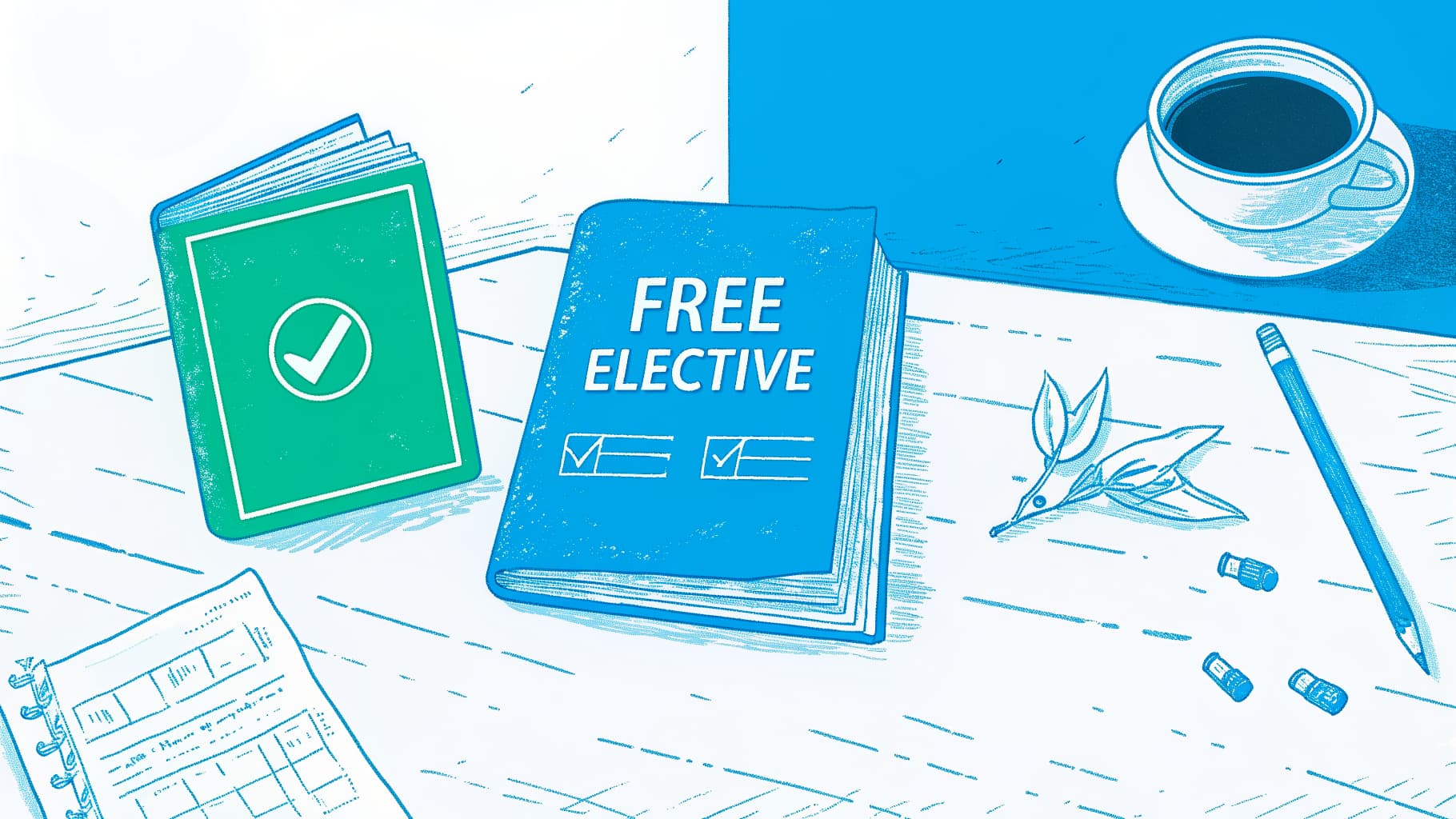
That reputational friction compounds the ordinary articulation gap and makes pinpointing exactly which courses will count at your specific target school, toward your specific declared major, not a nice-to-have but a financial necessity.
Articulation Agreements - Fine Print Included
Articulation agreements are formal contracts between community colleges and universities that pre-approve specific courses for transfer equivalency. They sound like a guarantee. They are not.
These agreements are program-specific, meaning a course approved for one major at a university may carry zero weight for a different major at the same school. A student transferring into computer science and a student transferring into business can take the identical course at the same community college and arrive at their destination with completely different outcomes. The agreement covered one of them.
It did not cover the other. This is precisely the scenario Transfermatic's Articulation Requirement Matching is built for. When a student is deciding between multiple target universities or majors and needs to compare course equivalencies quickly, the tool surfaces which courses at a given community college will count toward the intended major at the target school, before the student registers, not after the registrar delivers the bad news.
For parents financing the journey, that early clarity is the difference between a tuition bill that ends on schedule and one that quietly extends by a semester.
Credit Accepted vs. Credit Applied
Acceptance and applicability are two separate decisions, and universities make them at two separate points in the process. A university's registrar accepts your credits onto your transcript first. The department that owns your major then decides whether those credits satisfy its specific requirements.
A meaningful share of transfer credits land in the free elective bucket rather than fulfilling major requirements, meaning students carry the unit count but still face a full slate of required coursework. One student's experience captures the gap precisely: transferring early and watching a large share of credits evaporate into free-elective territory, not because of a clerical error, but because the system worked exactly as designed, just not in the student's favor. That gap is real money: an unplanned semester at a 4-year university can cost tens of thousands of dollars when tuition, housing, and delayed income are factored together.
Transfermatic's Transfer Roadmap Planning addresses this at the only moment it can actually be fixed: the beginning. The tool is most valuable when a student is in the early semesters of community college and has a target transfer school or major in mind. Within minutes of completing an intake and setup, a student receives a personalized semester-by-semester transfer plan built around the specific requirements of the target program, not general transfer credit rules.
The plan is revisited each semester during course selection and can be regenerated when circumstances change: a new target school, a shifted major, or an updated articulation agreement.
Four Silent Reasons a Credit Gets Downgraded to a Free Elective
The first reason is content mismatch: your PSYCH 101 covered general psychology, but the target university's requirement specifies a research-methods-focused version. The second is level mismatch: a course numbered below 100 at your community college may not meet the minimum level the university accepts for major credit. The third is no established equivalency: California's official articulation database leaves a significant share of courses without any listed equivalency, forcing students to guess and petition individually with no guaranteed outcome.
The fourth is timing: articulation agreements get updated, and a course that counted last year may not count this year if the agreement lapsed or changed. Transfermatic's automatic schedule creation and registration deadline reminders exist specifically because the fourth failure mode, timing, is the one students are least equipped to track on their own. A plan regeneration feature means that when an articulation agreement shifts mid-journey, a student's roadmap updates with it rather than quietly becoming obsolete.
Why ASSIST.org Leaves Some Questions Unanswered
ASSIST.org is California's official articulation database and the most comprehensive publicly available tool for cross-checking community college courses against UC and CSU requirements. For students in that system, it is an essential starting point. ASSIST.org shows whether a course is accepted in general terms, but it does not tell you whether that course satisfies a specific requirement inside your declared major at your target school.
A course listed without a match in the database leaves the student to petition individually, with no guaranteed outcome. The database is a map, not a guarantee, and it covers only the California system. Students transferring to schools outside that system, such as Georgia Tech, are navigating without even that partial map.
Transfermatic's Articulation Requirement Matching fills that gap by centralizing equivalency data across institutions and surfacing it in an interface Brady described simply: "Clean and doesn't feel like it was designed in 2005. Got the classes I needed without wanting to throw my laptop out the window." That experience, knowing exactly which courses to take, confirmed before you register, is what a functional transfer process is supposed to feel like.
Most students encounter it, if at all, only after an expensive detour.
Related Reading
- Transfer Articulation
- When Is It Too Late To Transfer Colleges
- Is Community College Free In California
- Community College Transfer Mistakes
- Transferring From Community College To University
- Do Community College Credits Expire
College Credits in High School - AP, Dual Enrollment, and What They're Actually Worth
The core problem with AP, IB, and dual enrollment credits is not whether a receiving institution accepts them, it is that acceptance and degree applicability are two entirely different things, and a credit officially recognized by a university can still be reclassified as a free elective that satisfies no general education requirement and no major prerequisite. Transfer students who treat these credits as confirmed progress toward graduation are measuring the wrong variable, and the cost of that mistake is often an extra semester or more.

AP Credits - Why a Score of 3 Might Mean Nothing at Your Target School
Each college sets its own AP credit policy independently, Education's analysis of top college AP policies. A score of 3 earns credit at some schools and nothing at others. Selective universities, and many engineering or nursing programs specifically, require a 4 or 5 before they recognize the exam at all.
A student who scored a 4 on AP Calculus BC might receive full credit at one university and get turned away at their target school because that department requires a 5. The score on the paper is the same. The outcome is completely different.
What makes this even more disorienting is that some highly selective institutions do not directly grant credit for AP scores at all, instead requiring students to route those credits through a dual enrollment institution to have them recognized as transfer credits. That workaround is not obvious, it is not well-advertised, and discovering it after the fact, when the next enrollment deadline is already approaching, leaves students scrambling rather than planning. Knowing this before a student enters their school and major preferences into any planning process is the difference between a clean path and a semester of damage control.
IB Credits - Higher Thresholds, Narrower Acceptance, Same Verification Problem
Most universities that accept IB credit require Higher Level scores of 5, 6, or 7, and Standard Level courses are frequently rejected outright. Acceptance rates vary by department, not just by institution, so a biology department may honor an IB score that the chemistry department ignores. The verification burden falls entirely on the student, and "the university accepts IB credit" is not the same sentence as "your IB credit satisfies your major requirement."
Dual Enrollment Credits - Host-Institution Recognition and the Transferability Wall
Dual enrollment carries its own distinct trap that families rarely see coming. Credits earned through a dual enrollment program are frequently recognized only at the host college or university, meaning a credit that transfers cleanly to the school that ran the program may not transfer at all to the institution a student actually plans to attend. A student who banks heavily on dual enrollment coursework to satisfy requirements at a target school may arrive at community college or their transfer destination and find those credits treated as strangers.
Compounding the frustration: students who need an AP score to unlock enrollment in an advanced dual enrollment course, say, Calculus 3, must wait for score release windows before they can even register. That enrollment delay is not a minor inconvenience. It can push a student into the following semester's section, compress their overall timeline, and force last-minute schedule rebuilds at exactly the moment they should be locking in a plan.
This is where starting early matters most. Transfermatic's Transfer Roadmap Planning is most beneficial when a student is in the early semesters of community college, ideally at the very start of that journey, and has a target transfer school or major in mind. Within minutes of completing an intake and entering school and major preferences, Transfermatic generates a personalized semester-by-semester transfer plan built around Articulation Requirement Matching, so the credits a student is about to earn are checked against what the destination institution and specific major actually require, before registration, not after.
The Elective Trap - When High School Credits Count, But Not for What You Need
This is the most expensive misunderstanding in transfer planning. A credit being "accepted" does not mean it satisfies a requirement. AP English Language, dual enrollment sociology, IB History: all of these can land on a transcript as free electives, filling no general education slot and satisfying no major prerequisite.
Students we work with frequently discover this only after credits have already been evaluated, at which point the only options are a formal department petition or re-taking the course, neither of which is fast or cheap. Catching this before enrollment is the entire point. Transfermatic's Articulation Requirement Matching is most beneficial when a student is deciding between multiple target universities or majors and needs to compare course equivalencies quickly, before the next enrollment deadline closes.
Paired with automatic schedule creation and registration deadline reminders, the plan does not sit static on a document: it is revisited each semester during course selection, so a student is never a full semester into the wrong path before anyone notices.
How to Earn College Credits Faster: and Which Shortcuts Are Actually Worth It
Passing a CLEP exam feels like a win the moment you see your score. You skipped a full semester course, saved real money, and added credits to your transcript without sitting through weeks of lectures. That part is true.
The part nobody tells you upfront: a credit that sits on your transcript without satisfying a specific requirement at your specific target school is not a shortcut. It is a detour. This is the core trap hiding inside every credit-acceleration strategy. CLEP, AP, and dual enrollment are only genuinely faster if they satisfy specific degree slots at the target institution.
Otherwise, they reduce tuition cost per credit while doing nothing to reduce time to graduation, making the "shortcut" a financial win that is a scheduling trap disguised as progress. Before registering for any accelerated credit pathway, one question has to come first: does this credit count toward my declared major at the school I plan to attend? Not "is it accepted?"
Accepted and applicable are two different things, and the gap between them is where extra semesters hide. Students in the early semesters of community college, especially those without access to frequent, personalized counselor appointments, are the most exposed to this gap, because they are making course decisions before they have a clear, school-specific picture of what will actually transfer and apply. Transfermatic's Articulation Requirement Matching is built precisely for that moment: it lets students comparing multiple target universities or majors see course equivalencies side by side so the accepted-versus-applied question gets answered before registration, not after.
1. CLEP Exams - Best for Self-Directed Learners Who Want to Test Out of Gen-Eds Fast
At $93 per exam (College Board pricing), a CLEP exam costs a fraction of what a single college course runs at most institutions. For gen-ed requirements like introductory sociology, college composition, or introductory psychology, CLEP is one of the most cost-efficient ways to earn credits faster, and not every exam carries the same difficulty or time investment. Peterson's data on the highest CLEP pass rates and fastest study times shows that some exams can be prepared for in a matter of weeks, while others demand substantially more preparation, which means choosing the right exam for your timeline matters as much as choosing the right subject.
Industry research on the easiest and hardest CLEP exams is a useful starting point for calibrating that choice. The real limitation: many four-year universities do not accept CLEP credits without restriction, and those that do often cap how many can apply. Verify your target school's policy before you register, not after.
Transfermatic's Transfer Roadmap Planning surfaces this information at the start of a student's community college journey and revisits it each semester during course selection, so a CLEP decision is always made against a confirmed picture of how that credit lands at the target school.
2. AP Courses - Best for High Schoolers Who Want College Credits Before Enrollment
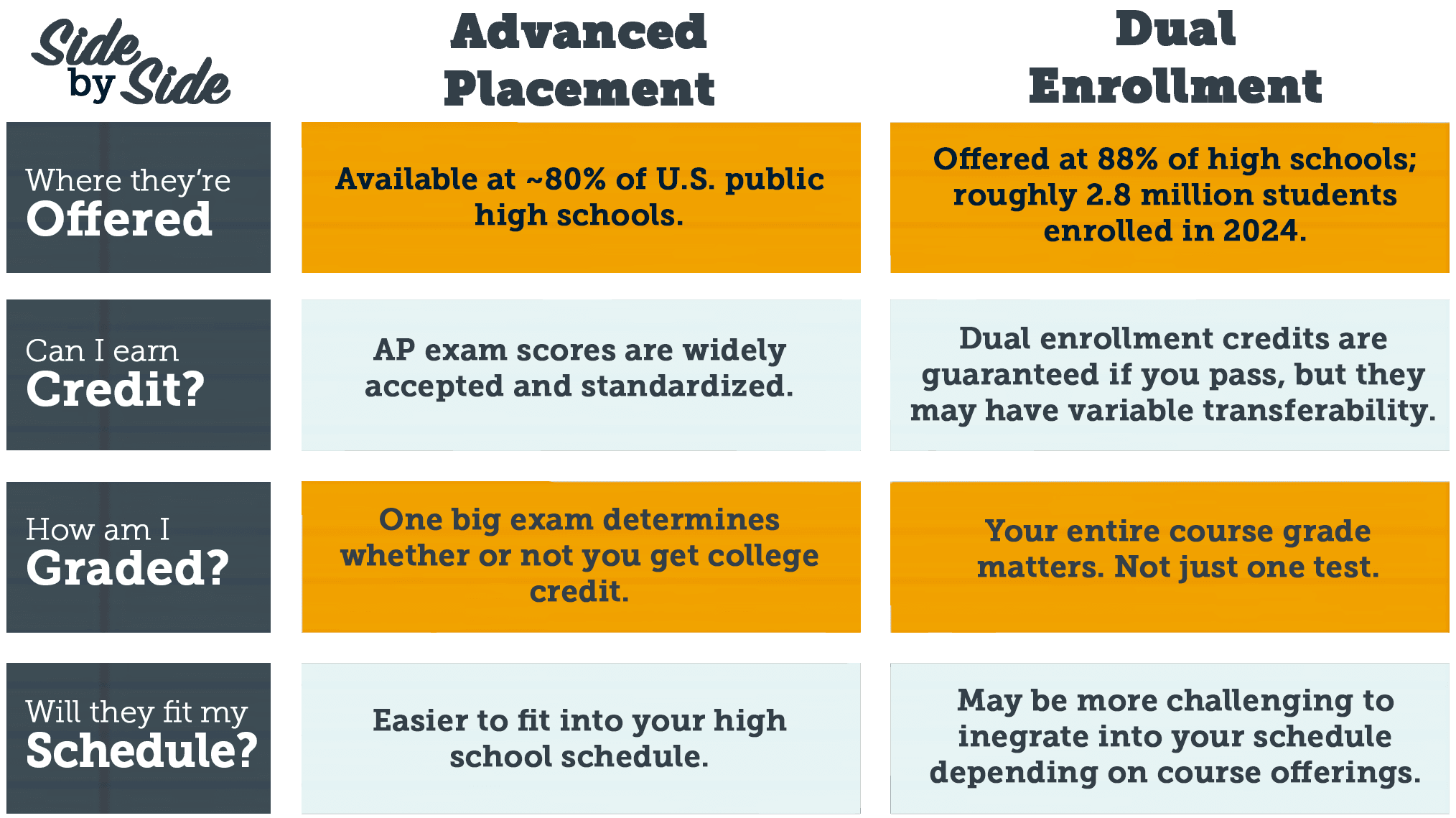
AP credits are widely recognized, but acceptance depends entirely on your exam score and the receiving school's threshold. A score of 3 might earn credit at one university and nothing at another. The deeper risk for transfer students is that AP credits often land as elective units rather than satisfying specific major requirements, which means they pad your total count without moving you through your degree.
Students comparing costs against private advising services face this problem acutely. A one-time advising session rarely catches every equivalency nuance across multiple target schools. Confirming course equivalency at your target school before assuming an AP score translates into a required class is the step that prevents a well-intentioned head start from becoming a scheduling detour.
3. Dual Enrollment - Best for High Schoolers Who Want Guaranteed Transferable Credits
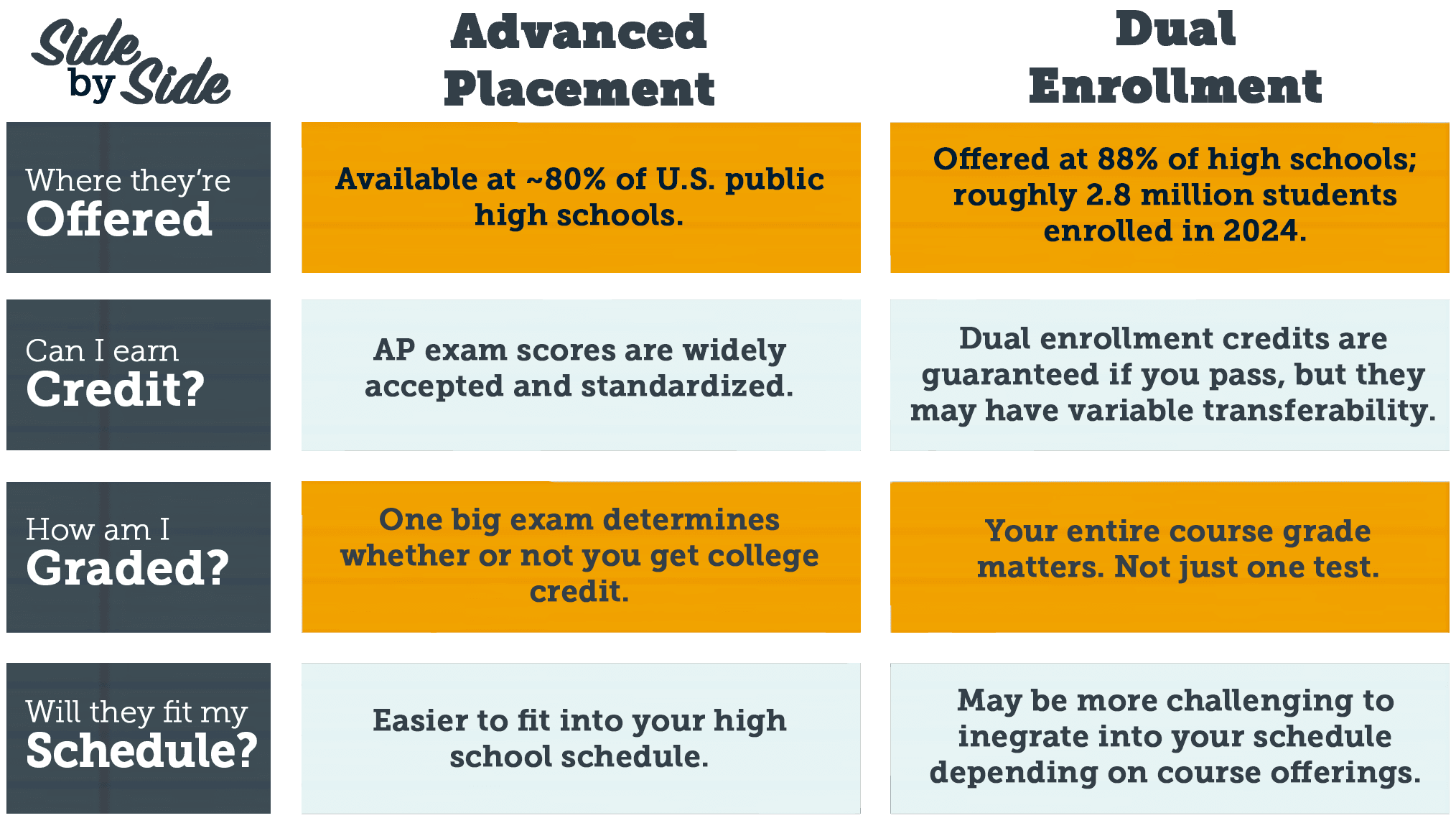
Dual enrollment courses appear on an actual college transcript, which makes them significantly more portable than exam-based credits. Four-year universities tend to evaluate dual enrollment credits through the same articulation frameworks they use for any community college transcript, which means they carry more predictable transfer value than exam-based scores, but the same accepted-versus-applied distinction still applies. For students building a faster, cleaner transfer path to a top university, dual enrollment choices made in the early semesters of high school can either compress a degree timeline or quietly extend it, depending on how carefully those choices are matched to a declared major at the target institution.
Transfermatic's personalized semester-by-semester transfer plan, combined with its Articulation Requirement Matching, gives students that match at the point of decision, so a dual enrollment course is selected because it moves a student through a specific degree requirement at a specific school, not simply because it sounds transferable. Confirming course equivalency before enrolling in a dual enrollment class is the step that separates a genuine shortcut from a credit that fills your transcript without moving you forward.
4. DSST Exams - Best for Military-Connected Students and Working Adults with Specialized Knowledge
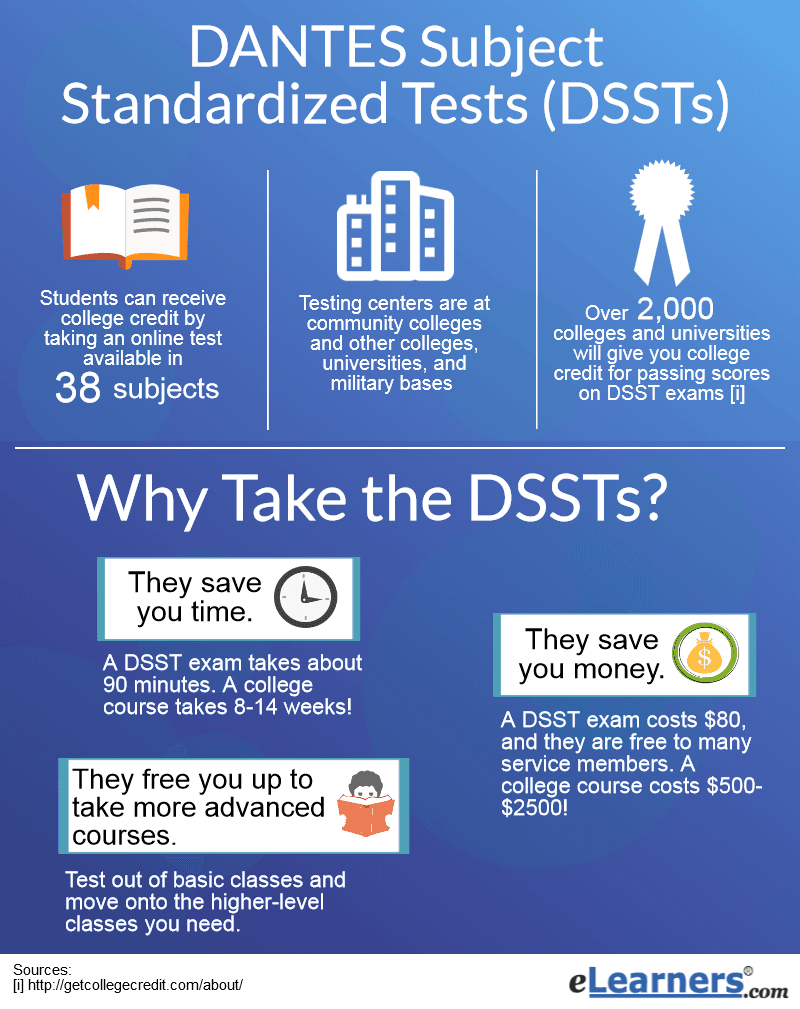
DSST exams, funded by DANTES and originally designed for military personnel, let students earn college credit by demonstrating knowledge in subjects like business, technology, and physical science. They're especially valuable for service members and veterans whose military training maps directly to testable subject matter. Exams are low-cost or free for active-duty military. The limitation is narrower institutional acceptance compared to CLEP, so verifying your target school's DSST transfer policy upfront is essential.
5. Prior Learning Assessment (PLA): Best for Adult Learners with Real-World Professional Experience
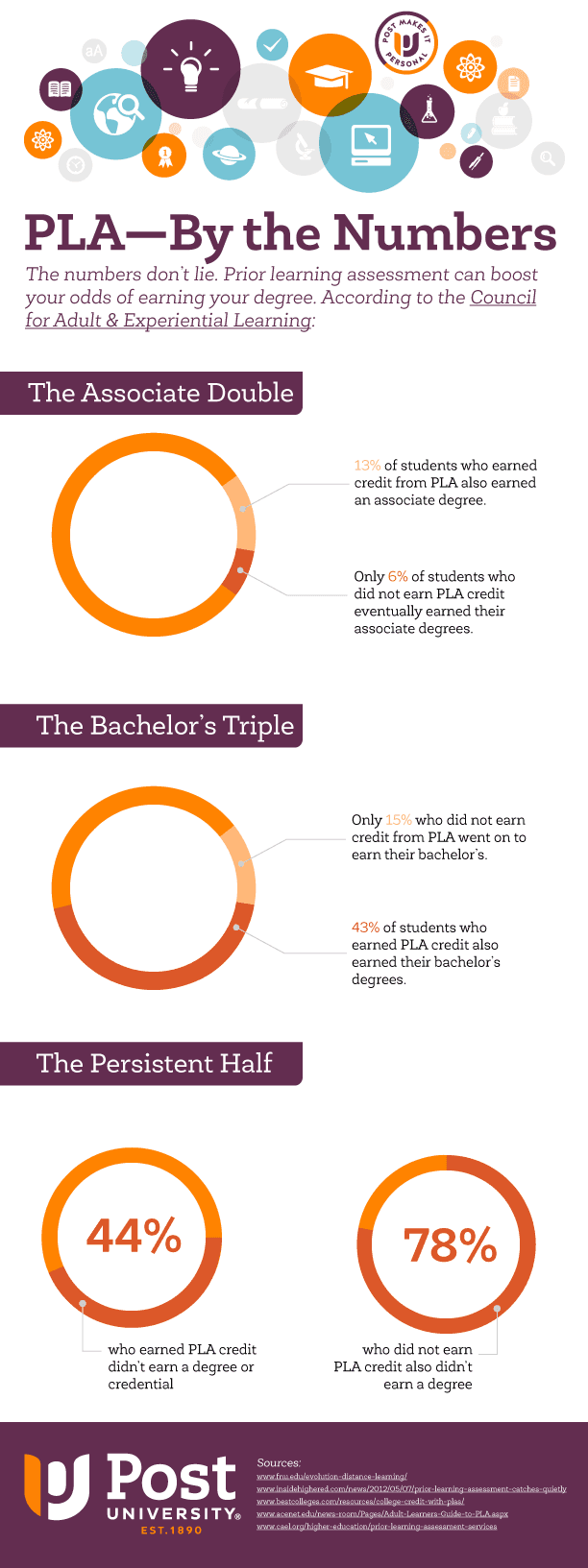
Prior Learning Assessment allows adult and non-traditional students to earn college credits by documenting knowledge gained through work experience, military service, certifications, or self-study, without sitting for a standardized exam. It's the most flexible credit-acceleration path for career changers and returning students. The significant tradeoff is inconsistency: PLA policies differ dramatically between institutions, portfolio review can be time-consuming, and some schools charge assessment fees that offset the savings.
The One Credit Mistake That Costs Transfer Students an Entire Semester
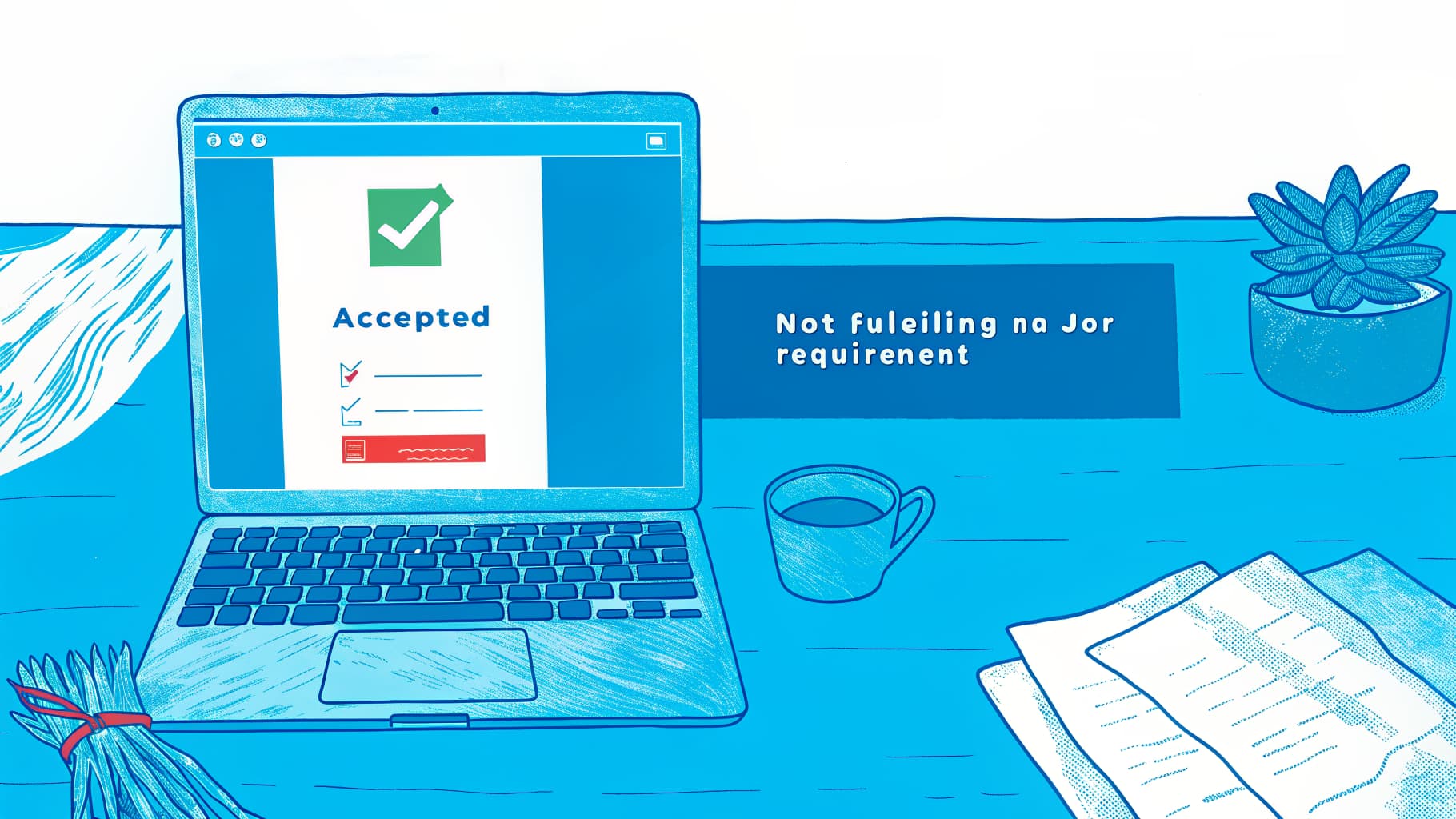
Here is a truth that catches transfer students off guard every year: a university can accept every credit on your transcript and still leave you a full semester short of your degree. The core problem is not that students fail to follow the right steps, it is that the information those steps produce is too low-resolution to protect them. A student can meet with a counselor, check ASSIST, and accumulate every recommended credit, and still lose an entire semester to a single unanswered question about how one course applies inside their specific major at their specific target school. The acceptance letter says your credits transferred. Your unit count looks fine. But inside your specific major, at your specific target school, several of those courses count for nothing required.
The Acceptance Trap - Why "Your Credits Transfer" Doesn't Mean What You Think
"Transfer credit evaluation delays, 14 weeks in one case, caused a student to miss enrollment for the next term, effectively costing them an entire semester."
Colleges evaluate credits in two separate steps. First, they decide whether to accept a course onto your transcript. Second, each department decides whether that course satisfies a requirement in your major.
A school can say yes to step one and no to step two simultaneously, and both answers are technically correct. According to BestColleges (2025), receiving institutions evaluate course equivalency on a school-by-school, department-by-department basis, meaning a course accepted at one four-year school can be reclassified as a free elective at another. Free electives fill your transcript but do not move you toward graduation.
This is precisely the risk that Transfermatic's Articulation Requirement Matching is built around. Rather than showing you only whether a course is generally accepted, it surfaces whether a specific course satisfies a specific requirement inside a declared major, across multiple target universities simultaneously. Students who are deciding between more than one target school or considering a mid-transfer major change are especially exposed to this two-step trap, because every school and every department resolves it differently.
Articulation Requirement Matching is most valuable at exactly that fork in the road.
The Verification Burden Falls on the Student, Not the School
No department sends you a warning when a course misses the mark. The burden of verifying course applicability falls entirely on the student, as BestColleges confirms. Articulation tools can show you which courses a school accepts in general terms, but they rarely tell you whether a specific course satisfies a specific requirement inside your declared major.
That gap is where semesters disappear. What makes this burden even harder to carry is that the institutional process itself can move far slower than a student's registration deadlines. Transfer credit evaluation delays, which can stretch for months in documented cases, have caused students to miss enrollment windows for the following term, effectively costing them an entire semester before a single class has been skipped.
The system is not designed with the student's timeline in mind. Transfermatic's Registration Deadline Reminders and Plan Regeneration exist specifically because a student who is waiting on an evaluation that the institution hasn't finished does not have time to also track every deadline manually.
How One Unverified Prerequisite Silently Adds a Semester and Thousands of Dollars
Prerequisite chains inside a major are often invisible until a student registers for an upper-division course and is blocked. If the community college course a student assumed satisfied that prerequisite was accepted as a free elective instead, the student must now take the prerequisite at the university, pushing the upper-division course to the following semester, compressing the remaining schedule, and in many cases triggering a fifth semester that was never in the plan. At in-state tuition rates, one unexpected semester can represent thousands of dollars in direct costs before living expenses.
The prerequisite was never flagged. The bill arrives anyway. Transfermatic's Wasted Semester Prevention targets this scenario directly.
It is most consequential when a student is at risk of taking off-path courses or is considering a major or target-school change mid-transfer, both moments when prerequisite chains are most likely to reset invisibly. The Transfer Roadmap Planning feature translates articulation data into a personalized, semester-by-semester course plan built to satisfy transfer requirements without missing hidden prerequisites, generated within minutes of completing intake, then revisited each semester during course selection. The explicit goal is that a student can see, before registration, whether each course they are considering moves them toward graduation requirements inside their specific major, or simply toward a transcript that looks full and means less than it should.
According to Community College Review (2026), navigating these structural barriers is one of the primary reasons transfer momentum stalls, making early, high-resolution planning not a convenience but a protective measure.
Related Reading
- What Are Credit Hours
- How Much Does Community College Cost
- Transfer Admission Guarantee
- How To Transfer Schools
- Best Schools To Transfer To
Next steps
If your transfer credits keep landing as free electives instead of moving you through your actual major, the path forward starts with verifying applicability before you register, not after the registrar delivers the verdict. Start with our best transfer planner for community college students.
Completing 60 credits at a community college does not make you halfway to a bachelor's degree at your target school. It makes you halfway to a credit count that will be re-evaluated, re-categorized, and potentially re-zeroed by the receiving department, meaning you can arrive with a full associate's worth of credits and still be treated as a functional first-semester freshman inside your program. That information architecture problem, not effort, is what the 14 percent bachelor's degree completion rate among transfer-intending students reflects.
Students who beat that statistic resolve credit applicability questions before they enroll in courses, not after they arrive with credits already locked in. Together, those two realities point to one action: map every course against your exact major requirements at your target school before registration closes.
Start with the best transfer planner for community college students to generate a personalized, semester-by-semester roadmap built around your declared major and target institution. Every course gets confirmed against articulation data before you enroll, so each credit does the work it is supposed to do.
Frequently Asked Questions
What's the difference between a credit and a credit hour?
They refer to the same thing. A credit hour is the unit of measurement: under federal regulation 34 CFR 600.2, one credit hour represents one hour of direct instruction plus two hours of outside work per week across a standard semester, tying time, workload, and learning into a single measurable unit.
If a university accepts my transfer credits, does that mean they'll count toward my degree?
Not necessarily, acceptance and applicability are two separate things. A university can accept a credit so it appears on your record without applying it toward any specific degree requirement, which means you could arrive with 60 transfer credits and still function as a near-freshman inside your declared major.
Do quarter credits transfer the same as semester credits?
No. The standard conversion is 1 semester credit equals 1.5 quarter credits, so 60 quarter credits only convert to 40 semester credits. Students expecting sophomore standing at a semester school are often surprised to find they have far fewer credits on the books than they expected.
Why did my community college 'A' end up as a free elective at my new university?
Articulation agreements are program-specific, so a course pre-approved for one major may carry zero weight for a different major at the same school. Even students who perform well can see their credits park in the elective column if the course doesn't map to a specific requirement in their declared major at the target institution.
How many credits do I actually need to graduate with a bachelor's degree?
Most bachelor's programs require around 120 semester credits, but the total number of credits earned is less important than whether those credits fill the right buckets, general education, major-specific, and elective requirements each draw from that total differently. Research shows that bachelor's degree graduates often earn significantly more total credits than their degree actually required, because not every credit advances the requirements that gate graduation.